
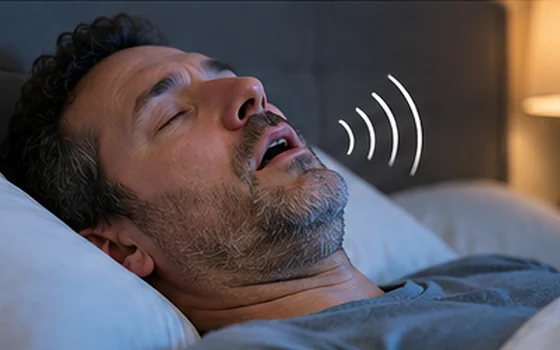
Sleep talking can be surprising to the person sharing a room. It is not a reliable window into deliberate thoughts or a reason to embarrass someone. The practical question is whether it disrupts rest or appears with concerning symptoms.
Do not treat speech as a confession
Words spoken during sleep can be unclear or disconnected from waking intentions. Avoid interrogating, provoking or repeatedly waking someone to obtain an explanation. Discuss the observation respectfully when both people are awake.
Describe what actually happens
Note how often it occurs and whether there is shouting, movement, injury, gasping or marked daytime sleepiness. A short written description may be enough to begin a conversation with a clinician. Do not record or share a bed partner without consent.
Keep occasional episodes in proportion
AASM information on sleep talking notes that it rarely requires treatment on its own. That does not mean every unusual nighttime event is harmless. New, frequent or distressing episodes should be considered in context.
Reduce avoidable sleep disruption
Protect an adequate sleep window and review obvious interruptions to the room or schedule. These are reasonable foundations rather than a guaranteed cure. Avoid adding a sedative or stopping a prescribed medicine without discussing it with the relevant professional.
Seek advice for complex behaviors
Injuries, leaving the bed, violent movements or breathing pauses warrant assessment. If someone is in immediate danger, focus on safety. Our children’s sleep overview addresses how nighttime concerns can present differently in younger people.
Describe what is happening
Sleep talking can range from a few words to longer speech, and the person may not remember it. A recording can show timing and sound but does not identify the exact sleep stage or cause. Ask whether the issue is mainly a partner's disturbed sleep, a new behavior, or speech accompanied by movements or other symptoms. Do not treat every isolated episode as a disorder.
Review possible patterns
Note sleep opportunity, stress, alcohol, medicines and whether the talking clusters after schedule changes. This record can be useful if the behavior persists, but it cannot prove a particular trigger. Keep the bedroom safe and avoid waking or restraining a person abruptly because of a recording. If the sound resembles choking or gasping rather than speech, describe that distinction to a clinician.
Seek advice for concerning events
Discuss frequent or newly severe episodes with a healthcare professional, especially when there is injury, violent movement, breathing symptoms or substantial daytime sleepiness. A partner may be able to provide observations, but diagnosis may need more than a phone app. Avoid unproven supplements advertised to silence sleep talking. Protect enough sleep and address the actual impact on the household while seeking advice.
Common questions
A little more clarity.
Can I guarantee that I stop talking tonight?
No. There is no reliable instant fix for every cause or pattern.
Should I post a funny recording?
Only with the person’s informed permission. Sleep does not remove their privacy.
Can I stop an episode by waking the person?
Do not assume that is necessary. Prioritize safety and seek advice for concerning behavior.
Will an audio app diagnose the cause?
No. It can record sounds but cannot establish the sleep stage or medical cause.
Is occasional sleep talking dangerous?
Often it is not, but injuries, unusual movements or other symptoms deserve assessment.
What should I record?
Note frequency, timing, movements, breathing sounds and effects on sleep or safety.
What information should a bed partner share with a clinician?
Describe the words or sounds as accurately as possible, their frequency and whether they come with movement, leaving the bed, choking, gasping or injury. Note any change in sleep schedule, medicines or alcohol use. A short recording may help explain an event, but it cannot identify sleep stage or diagnosis. Avoid provoking an episode or restraining the sleeper for evidence. If the behavior is new, violent or accompanied by breathing symptoms or substantial daytime sleepiness, seek professional advice. Keep the conversation practical: the aim is to assess safety and impact, not to interpret every spoken phrase.